

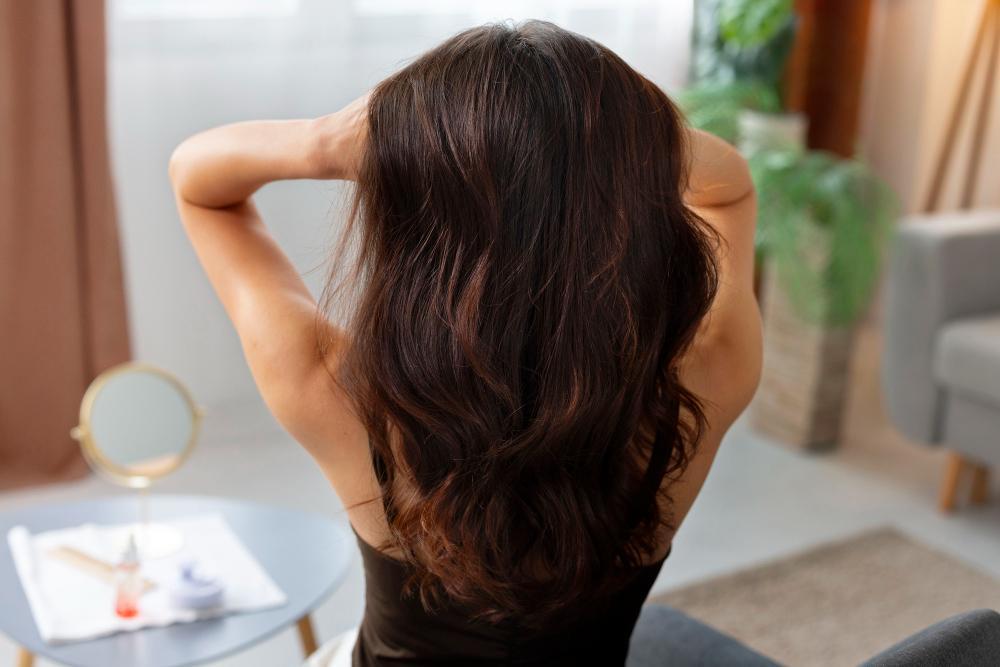
Much of what looks like hair loss is not hair loss at all. It is damage, often caused by the very habits meant to keep hair looking its best, and it usually happens without the person realising. A few extra strands on the brush or a rougher texture than before can be signs of breakage rather than shedding, and the distinction changes everything about how to respond. Let’s look at the daily habits that quietly damage hair, which of that damage can be reversed, and when the cause runs deeper than styling.
Breakage is Not the Same as Hair Loss
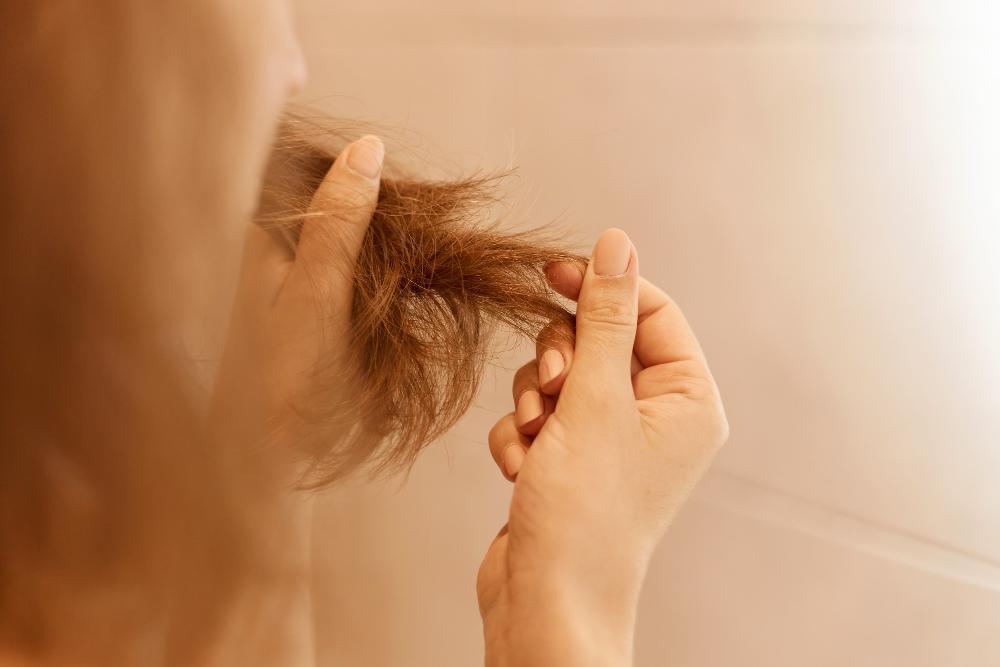
Hair breakage happens along the shaft. The strand weakens at a point above the scalp and snaps, often leaving shorter, frizzier pieces scattered through the hair. Hair loss, by contrast, happens at the root. The strand sheds along with its follicle, which is a different process entirely.
The two can look similar day to day, but they point to different problems.
Breakage tends to respond to changes in handling and styling. Hair loss often has causes that sit beneath the surface, from hormones to scalp health, and may need a closer look. Working out which one you are dealing with is the first step toward addressing it.
The Everyday Habits That Damage the Hair
Most hair damage builds up gradually, through habits that feel routine rather than harmful.
Heat styling is one of the most common culprits. Straighteners, curling irons, and blow dryers used at high temperatures weaken the protein structure inside each strand, leaving hair more prone to snapping over time.
Aggressive brushing, particularly on wet hair, adds mechanical stress when hair is already at its most fragile. Rough detangling from the ends upward, rather than gently working through knots, compounds this further.
Tight hairstyles, buns, ponytails, braids, place ongoing tension on the hair and scalp. Worn occasionally, this is not usually a concern. Worn consistently, it becomes a different story.
Chemical processing, colouring, bleaching and relaxing alter the internal structure of the hair shaft. These treatments are not damaging by nature, but repeated or overlapping processes without adequate recovery time between them can leave hair significantly weaker.
None of these habits are dramatic on their own. It is the accumulation, day after day, that eventually shows.
Traction: The Slow, Quiet Damage
Traction deserves particular attention because it is common and often goes unnoticed until it has progressed. The steady pull from tight ponytails, buns, or extensions places sustained tension on the hair follicle itself, not just the strand.
Early on, this shows up as thinning around the hairline or temples, areas where the pull is usually greatest. Left unaddressed, that thinning can progress to a point where the follicle stops producing hair altogether. This is what makes traction different from other forms of habit-driven damage. Addressed early, it is manageable. Left too long, it can become permanent.
If you regularly wear tight styles and have noticed thinning in these areas, easing the tension sooner rather than later makes a meaningful difference.
What Reverses, and What Doesn’t
Much of the damage covered so far is reversible once the cause is addressed, which is the first step in learning how to repair damaged hair. Hair affected by heat, rough handling, or chemical processing generally grows back healthier once the habit stops or is adjusted, since the follicle itself was never involved.
Traction is where the picture becomes more nuanced. Early traction thinning tends to recover well once tension is reduced. Prolonged traction, however, can damage the follicle permanently, at which point removing the tension will not bring the hair back.
This is why early action matters more than it might seem to at the time. A healthy scalp also plays a role here, since a well-functioning scalp gives hair the best possible conditions to recover once the damaging habit is addressed.
When Damage Isn’t the Whole Story
Not all hair thinning traces back to styling habits. Persistent shedding or thinning that does not improve despite gentler handling may point to something happening beneath the surface, whether that is nutrition, hormonal shifts, or an underlying scalp condition.
This is where habit-driven damage and other causes can be difficult to separate on your own, since both can present in similar ways. A professional assessment can help identify what is actually driving the change, rather than guessing. At Moyem, we look at hair health as connected to the whole picture, including gut-skin connection, and often what shows up on the plate as much as what happens on the scalp.
Frequently Asked Questions About Hair Damage and Breakage
Can damaged hair repair itself?
To an extent. Hair itself does not self-repair once the strand is damaged, since it is not living tissue, but new growth from a healthy follicle will not carry the same damage forward. Removing the damaging habit allows healthier hair to grow over time.
Does traction thinning grow back?
Often, if caught early. Traction thinning caught before the follicle is affected tends to recover well once tension is reduced. Prolonged, untreated traction can cause permanent follicle damage, which will not reverse on its own.
How can I tell breakage from shedding?
Breakage typically leaves shorter, uneven strands with visible frizz or split ends, and happens along the hair shaft. Shedding involves full strands with the root intact, usually noticed in the shower or on a pillow. If you are unsure, a professional assessment can clarify which one you are experiencing.
Give Your Hair a Fighting Chance
Knowing how to fix damaged hair starts with everyday habits: easing up on heat, tension, and harsh processing, and supporting a healthy scalp along the way. Learning how to care for damaged hair is less about a single fix and more about consistency, since some damage reverses on its own once the cause is addressed, and some needs a closer look to understand what is really going on.
If your hair has not responded the way you expected despite gentler care, that may be worth exploring further. A personalised consultation with our medical aesthetic services team can help identify what your hair and scalp actually need, whether that is a change in habits or a deeper look at what is driving the change, including how the rest of the body tends to show up there too.

Hugs,

DR. TAN WANG THENG

