- 08.30.2025

Menopause is not the end of growth. It's a chance to nourish yourself differently.
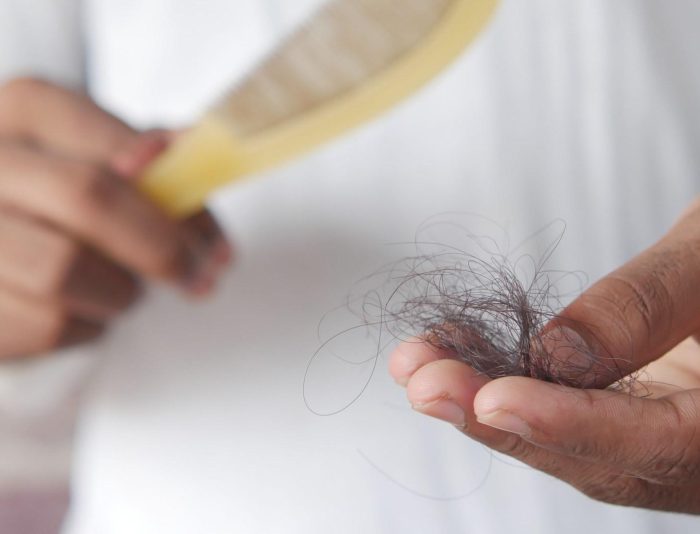
When we think of menopause, hot flashes, mood swings, and weight gain often come to mind. But there is another change that does not get as much attention: what menopause does to your hair.
As estrogen declines during menopause, the body undergoes profound hormonal and metabolic shifts. One lesser-known effect is the way it impacts hair health.
Why Menopause Changes Hair
1. Hormonal Shifts: Follicles Under Pressure
As the ovaries age, estrogen and progesterone naturally decline. That shift leaves male hormones, like testosterone, relatively more dominant. Hair follicles, especially around the crown and temples, are sensitive to a potent byproduct of testosterone called DHT. Over time, DHT can shrink follicles and trigger the kind of pattern thinning many women notice in midlife.
Estrogen, on the other hand, is protective. It helps keep hair in its active growth phase, supports circulation to the scalp, and strengthens the follicle’s own antioxidant defenses. When estrogen drops, that protection fades. Blood flow slows, nutrients and oxygen reach the follicles less efficiently, and oxidative stress builds up. All of this makes hair more fragile and more likely to shed.
2. Metabolic Shifts: Energy and Inflammation
Menopause also marks a turning point in cellular energy and inflammatory regulation:
- Mitochondrial efficiency drops, lowering the energy available for follicle regeneration.
- Oxidative stress increases, damaging follicular structures.
- Inflammation becomes more active, disrupting the hair growth environment.
Here’s what’s fascinating: hair follicles are among the most metabolically active tissues in your body. Growing hair demands a similar energy load to a 6-minute high-intensity interval training (HIIT) session. So, when oxygen, nutrients, or energy are in short supply, hair often takes the first hit.
The result? Diffusely thinning, frail and brittle strands, slower growth, more shedding, changes in texture, and increased greying—what many refer to as “menopausal hair”.
What Can We Do?
Your hair’s response to menopause reflects deeper shifts in hormonal balance, metabolism, and cellular aging. Topical products help—but real support goes deeper.
1. Revive Scalp Microcirculation
Red light therapy (via home-use helmets or combs) and topical minoxidil can improve scalp microcirculation and follicle function.
For deeper results, Hair Restart—a clinical treatment combining Sylfirm X with YouthSphere stem cell exosome infusion—stimulates follicular activity and rejuvenates the scalp environment.
2. Combat Inflammation and Oxidative Stress
Support your body with targeted antioxidant and anti-inflammatory nutrients. While general hair vitamins may help, a personalised medicine approach with lab-guided supplementation provides more precise support.
3. Fuel Follicles from Within
It’s common for women in perimenopause and menopause to restrict calories and carbohydrates while increasing exercise in an effort to manage weight. However, overly aggressive dieting can lead to blood sugar dips that spike cortisol, a stress hormone that not only disrupts hormonal balance, but also increases inflammation and worsens hair shedding, mood and bone health.
In truth, active women in midlife often feel and perform better—and maintain healthier hair—when they are well-fuelled. This means prioritising a nutrient-dense, whole food diet with high-quality complex carbohydrates, healthy fats, complete proteins and micronutrients.
Like the skin, sufficient intake of collagen-rich proteins provides the essential amino acids needed for keratin production, the structural protein in hair. Whole Body Collagen powder offers bioavailable collagen peptides that support the integrity of hair, skin, and joints.
In addition, Nourkin Hair Growth+ inCLINIC (a clinically studied fish-derived proteoglycan supplement), works at the follicle root to regulate hair cycle signalling and prolong the anagen (growth) phase. This helps reduce shedding and promotes fuller hair regrowth.
4. Rebuild Hair Quality
Hair Clinic Pro+ uses nano-encapsulated actives (including amino acids, omega fats, and antioxidants) to strengthen aged or damaged strands. Expect stronger, plumper hair with improved shine, elasticity, and reduced frizz.
5. Consider Hormonal Support
If you’re also navigating other disruptive symptoms—like hot flashes, insomnia, or mood changes—speak with your gynaecologist about hormone testing and potential therapies tailored to your needs.
6. Prevention is Better than Cure
The body keeps the score. Just like the skin, how our hair responds to menopause is shaped not by current hormonal shifts, but also by the cumulative burden of past decades:
- Post-partum hair loss that never fully recovered
- Uncorrected chronic low vitamin D, iron stores, or other nutritional deficiencies
- Persistent stress
- Illnesses, surgeries, and certain medications
- Damaging chemical treatments like bleaching and perming
- Years of poor scalp care
They all leave their mark on follicles.
Take care of your health and your hair now. Your future self will thank you.
Let your hair be the crowning glory of your vitality and longevity journey.

Hugs,

DR. TAN WANG THENG