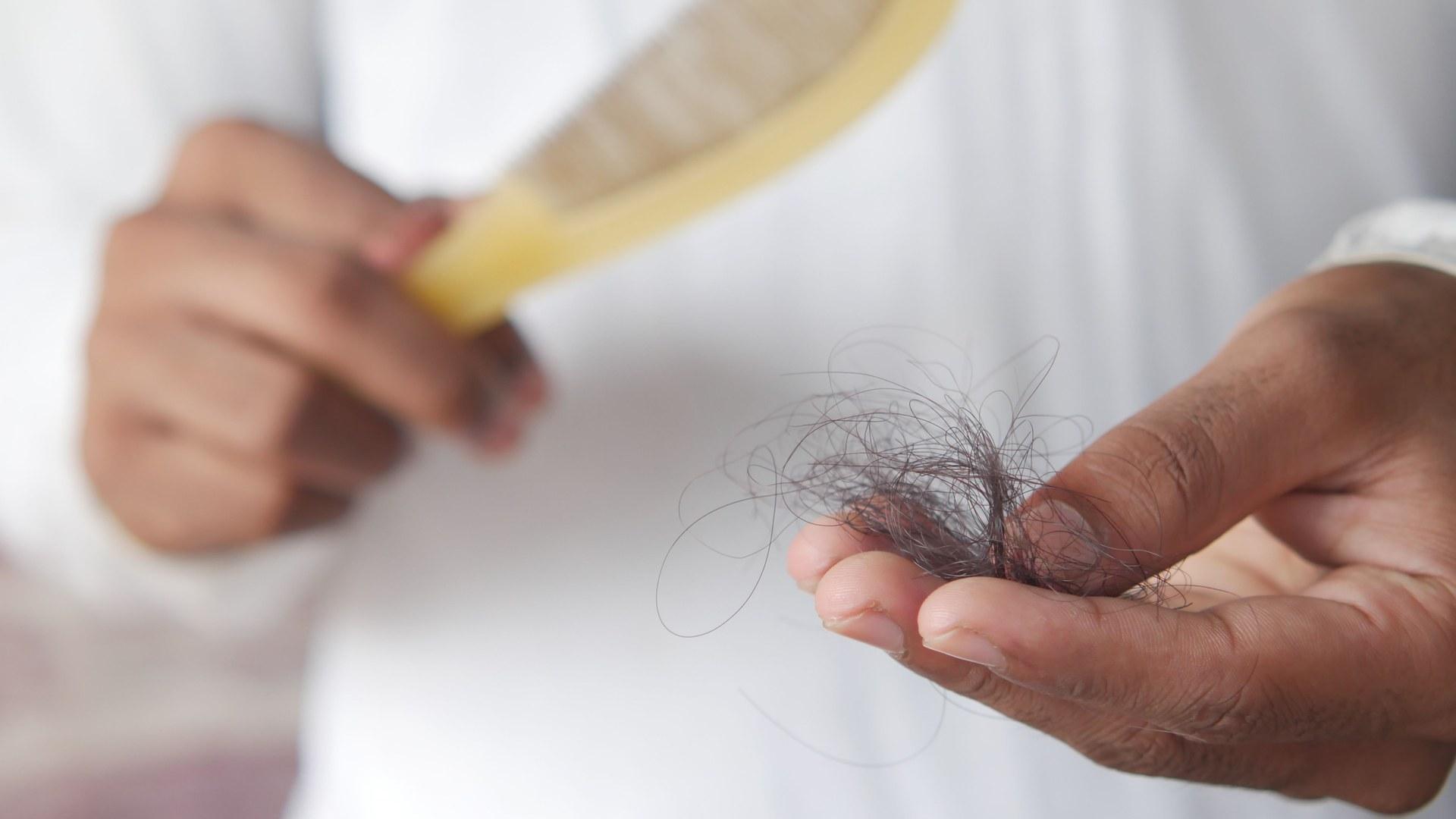
You have a head spa membership, a package booked out through next year, and you keep to an elaborate shampoo-condition-treatment routine like clockwork. And still, hair keeps coming away in the shower.
Hair may be influenced not just by what you put on it. What you put into your body matters too.
What reaches your follicles depends on what reaches the rest of you first, through what you eat. Thinning, dullness, or slower growth can be your hair’s way of showing that a nutrient it needs is running short. Understanding foods for hair growth is often the missing piece.
Hair Is Built From What You Eat
While hair is not alive, the follicle beneath it is. Embedded in the scalp and drawing on a constant supply of nutrients carried through the bloodstream, it is one of the more metabolically active structures in the body, producing keratin, the protein hair is made of. When that supply is generous and steady, growth tends to follow. When it is inconsistent, the follicle responds by producing hair that is thinner, weaker or slower to grow.
The food you eat is one of several foundations for healthy hair, alongside genetics, hormones and stress. Diet does not replace these other factors, but it is rarely separate from them either.
How Deficiencies Show Up in Hair
Hair often reflects a nutritional gap before it shows up anywhere else. The body prioritises nutrients for vital organs first, and hair, being non-essential to survival, tends to receive what is left over. A shortfall often shows here first, as increased shedding, slower growth, a duller texture or a general weakness in the strand, before it becomes noticeable anywhere more visible.
This is part of why it can be hard to see the connection between food and hair. The cause may not be visible on the scalp, and it may have started weeks or months before the hair itself changed.
The Nutrients Hair Depends On
A few nutrients do most of the work when it comes to food for hair growth and thickness.
- Protein provides the raw material for keratin itself. Found in eggs, fish, poultry, legumes and tofu.
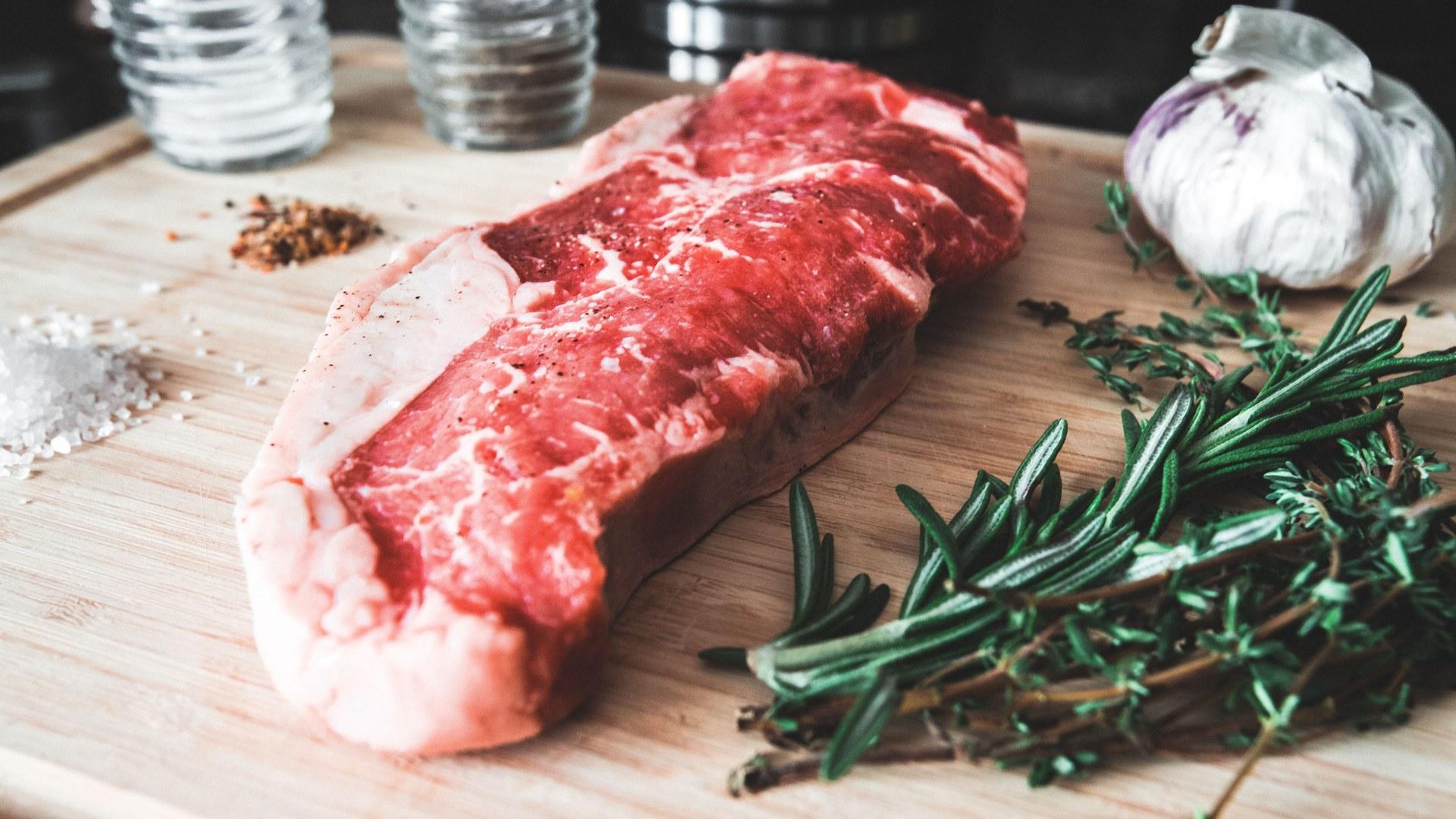
- Iron supports oxygen delivery to the follicle, which needs it to keep dividing and producing new hair. Found in red meat, leafy greens and fortified grains.
- Zinc plays a role in tissue growth and repair, including the follicle. Found in shellfish, seeds and nuts.
- Vitamin D is linked to the follicle’s growth cycle, and levels tend to run low in people who spend limited time outdoors. Found in oily fish, eggs and fortified milk.
If you are wondering what food is good for hair growth, the answer is rarely a single miracle ingredient. Good food for hair growth tends to be food that is good for the rest of the body too: balanced, varied, and consistent over time, without special diets or elaborate meal plans.
Iron and Women: A Common, Missed Link
Of all the nutrients above, iron deserves particular attention in women. Low iron is a frequent and often overlooked contributor to hair thinning, particularly for those with heavier menstrual cycles or more restrictive diets. Because the symptoms, thinning, fatigue and reduced growth, are easy to attribute to stress or ageing, an iron gap can go unrecognised for a long time.
This is not a reason to start supplementing on your own. Iron levels are worth checking through a proper medical consultation, whereupon a doctor can advise as to the next steps.
Food First, Supplements With Guidance
Some may be inclined to take supplements. It is important to look to your food instead. Whole foods deliver nutrients alongside the other compounds the body uses to absorb them properly, in a way a single supplement rarely replicates.
Self-prescribing high-dose supplements carries its own risk. Excess vitamin A, for instance, is itself linked to hair loss. What looks like a helpful addition could, in fact, work against you.
The more useful step is finding out what your body is genuinely short of, rather than assuming. A proper assessment gives a far clearer picture than trial and error. At Moyem, this sits within a broader, whole-person approach, where hair, like skin, often reflects what is happening internally. A gut health test in Singapore is one way to start building that picture, alongside checking hormones and absorption. Other than gut health, some also choose to explore brain stimulation treatment in Singapore as part of a broader, whole-body assessment.
Frequently Asked Questions About Hair Loss and Eating Habits
Can diet alone stop hair loss?
Diet supports the conditions hair needs to grow well, but it is one factor among several, including genetics, hormones and stress. Addressing a genuine nutritional gap can meaningfully support hair health, though it may not fully resolve loss driven by other causes.
Which deficiencies most commonly cause thinning?
Iron, protein and vitamin D are among the most frequently linked to hair thinning, with iron being especially common in women.
Do hair supplements actually work?
They can help where a genuine deficiency exists, but taking them without knowing your levels is largely guesswork. Supplements are not a substitute for a varied diet, and high doses of certain nutrients can cause more harm than good.
Nourish Hair From Within
Hair health rarely starts at the scalp. It starts with what your body has enough of, and what it does not. A personalised assessment can identify what your hair is genuinely missing, rather than leaving you to guess at another treatment or another supplement.
If you would like to understand what is behind your hair changes, our aesthetic clinic in Singapore can help you find out.

Hugs,

DR. TAN WANG THENG