Most people use “dry” and “dehydrated” interchangeably. They feel uncomfortable, reach for a richer moisturiser, and wonder why nothing seems to change. The terms sound similar, but they point to two different problems with two different solutions. Getting them confused is usually where the frustration begins. Let’s explore the differences, what each one looks like on your skin, and what actually helps.
Dry Skin vs Dehydrated Skin: The Key Difference
Dry skin is commonly described as a skin type characterised by lower levels of sebum and skin lipids. It tends to feel rough, flaky, or tight, and may become more noticeable with age, climate changes, or certain skincare habits.
Dehydrated skin, on the other hand, describes skin with insufficient water content. It can affect any skin type, including oily or combination skin. If your skin feels tight and congested at the same time, or if it looks dull but still breaks out, dehydration is likely the issue, not your skin type.
This distinction matters because the two respond to different approaches. Feeding dry skin requires oil. Restoring dehydrated skin requires water and helping your skin hold onto it.
The Skin Barrier, Explained
The outermost layer of your skin, known as the stratum corneum, functions like a seal. It keeps environmental irritants out and moisture in. When it is functioning well, skin feels comfortable, looks even, and holds up to daily stressors without reacting.
When the barrier is compromised, water escapes faster than the skin can retain it. Skincare professionals call this transepidermal water loss, and it sits at the root of most dehydration. A healthy barrier is not just a cosmetic concern. It is the foundation that everything else depends on.
Dehydrated Skin Symptoms
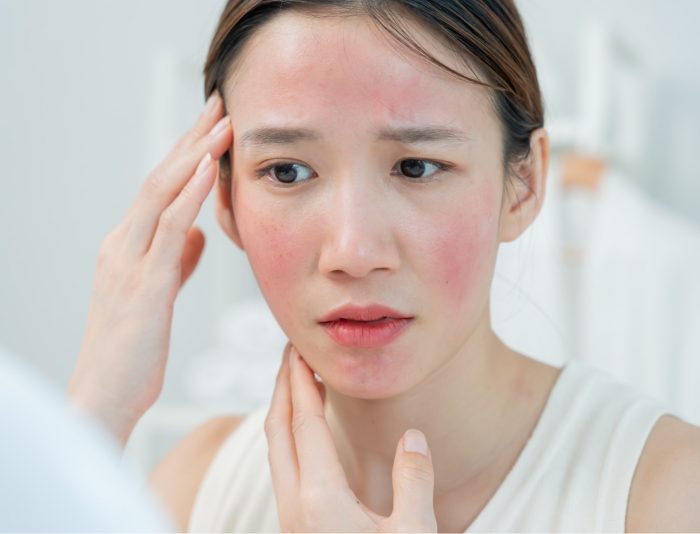
Dehydrated skin does not always look the way you might expect. Some of the most common signs are easy to mistake for other concerns.
Look out for:
- Tightness that appears soon after cleansing, even if you are not dry-skinned.
- Dullness or a flat, grey quality to the complexion.
- Fine lines that seem more visible than usual, particularly around the eyes, but soften after applying a moisturiser.
- Skin that feels oily on the surface but tight underneath.
- A sudden increase in sensitivity or reactivity to products that previously caused no issues.
The oily-and-tight combination is one of the clearest signals to watch for, as it can appear even when dehydration, not your skin type, is the underlying cause.
What Causes Dehydrated Skin
The skin barrier can be worn down by both external and internal factors, and often by a combination of the two.
On the outside, over-cleansing and over-exfoliating strip away the natural oils that support the skin barrier. Harsh actives, particularly high concentrations of acids or retinoids, can have the same effect when introduced too quickly or used too frequently. Hot showers, though often relaxing, temporarily disrupt the lipid layer that holds the barrier together.
Singapore’s climate adds another layer of pressure. Air-conditioning is a constant in most offices, malls, and homes, and the cold, dry air it produces steadily draws moisture from the skin throughout the day. Travel compounds this further, as cabin air on flights is similarly dehydrating.
Internally, low water intake is an obvious factor, though hydration alone rarely resolves persistent dehydration. As skin ages, its ability to produce and retain moisture naturally declines, which is why dehydration tends to become more noticeable over time. Stress also affects the skin barrier, and it is worth paying attention to whether your skin worsens during more demanding periods.
How to Take Care of Dehydrated Skin
Restoring hydration is less about adding more products and more about using the right ones in the right order.
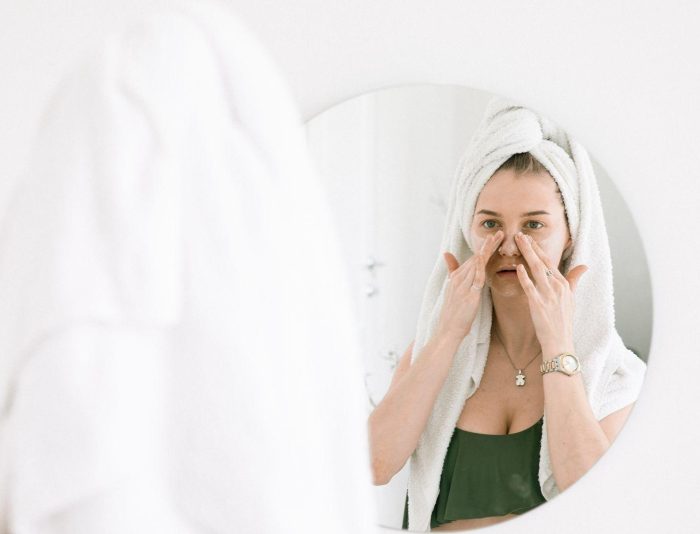
Start with a gentle cleanser. Foaming or stripping formulas accelerate moisture loss. A mild, low-pH option preserves the barrier rather than working against it.
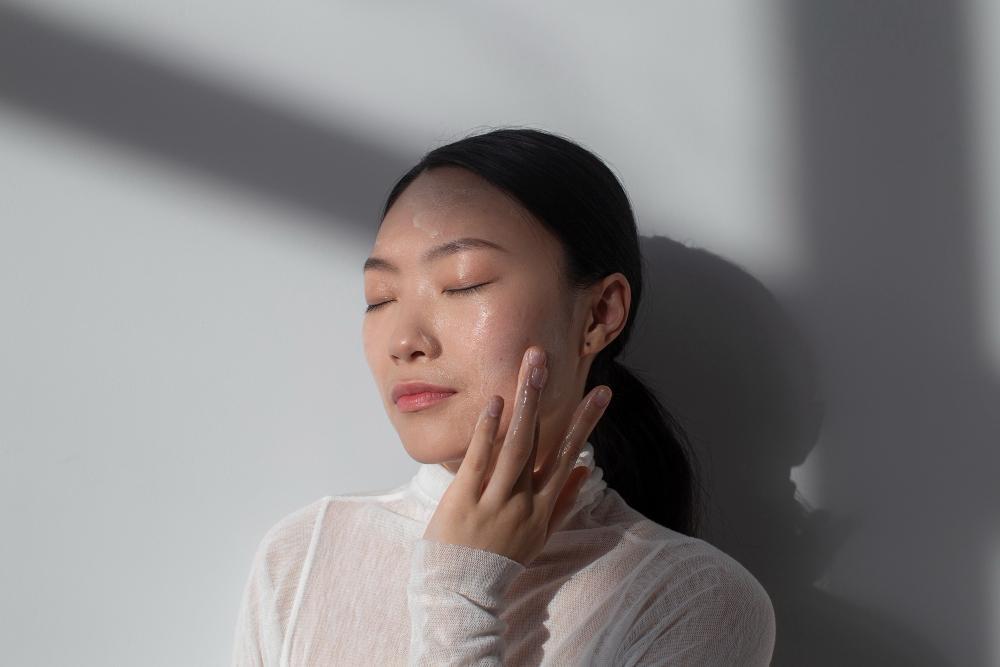
Layer a humectant before your moisturiser. Humectants such as hyaluronic acid and glycerin help attract and retain water within the outer layers of the skin. Following up with a moisturiser containing emollient or occlusive ingredients can help reduce water loss and keep skin feeling hydrated for longer.
Look for barrier-supporting ingredients such as ceramides, niacinamide, and peptides. These help repair and reinforce the stratum corneum over time.
Ease back on actives while the barrier recovers. Acids and retinoids may be helpful, but they need a functioning barrier beneath them to perform. Continuing to exfoliate aggressively during a period of dehydration will slow recovery.
Sun protection matters here too. UV exposure degrades the skin barrier, and an already-compromised one is more vulnerable to the damage that accelerates water loss.
Hydration from within supports the skin at a deeper level. What you eat and drink affects how well your skin holds water, and internal imbalances, from gut health to stress, can show up as skin that struggles to stay comfortable. If dehydration is persistent despite consistent care, that pattern is worth exploring further with a professional.
Frequently Asked Questions About Dry vs Dehydrated Skin
Can oily skin be dehydrated?
Yes. Oily skin produces excess sebum but can still lack water. Dehydration and oiliness are separate concerns that often co-occur, particularly when the skin barrier has been disrupted by over-cleansing or harsh actives.
Is dehydrated skin permanent?
No. Dehydration is a temporary condition and responds to the right care. Dry skin, as a type, is lifelong, though it too can be managed effectively with the right approach.
How do I tell if my skin is dry or dehydrated?
Dry skin tends to feel rough or flaky and has consistently felt that way. Dehydrated skin fluctuates in response to habits, environment, or lifestyle. If your skin feels tight but still looks oily or breaks out, dehydration is the more likely cause.
Find Out What Your Skin Needs
Knowing whether your skin is dry or dehydrated changes how you care for it. The right approach also depends on your skin’s individual history, its sensitivities, and the factors driving the concern in the first place.
At Moyem, we look at the full picture because skin that does not retain moisture often tells you something beyond what the surface reveals. If redness or sensitivity is part of the picture, that is worth exploring alongside hydration. Speak with our team about whether a skin hydrating booster injection or an anti-ageing facial treatment is a relevant part of your skin health plan, or browse our full range of medical aesthetic services.

Hugs,

DR. TAN WANG THENG