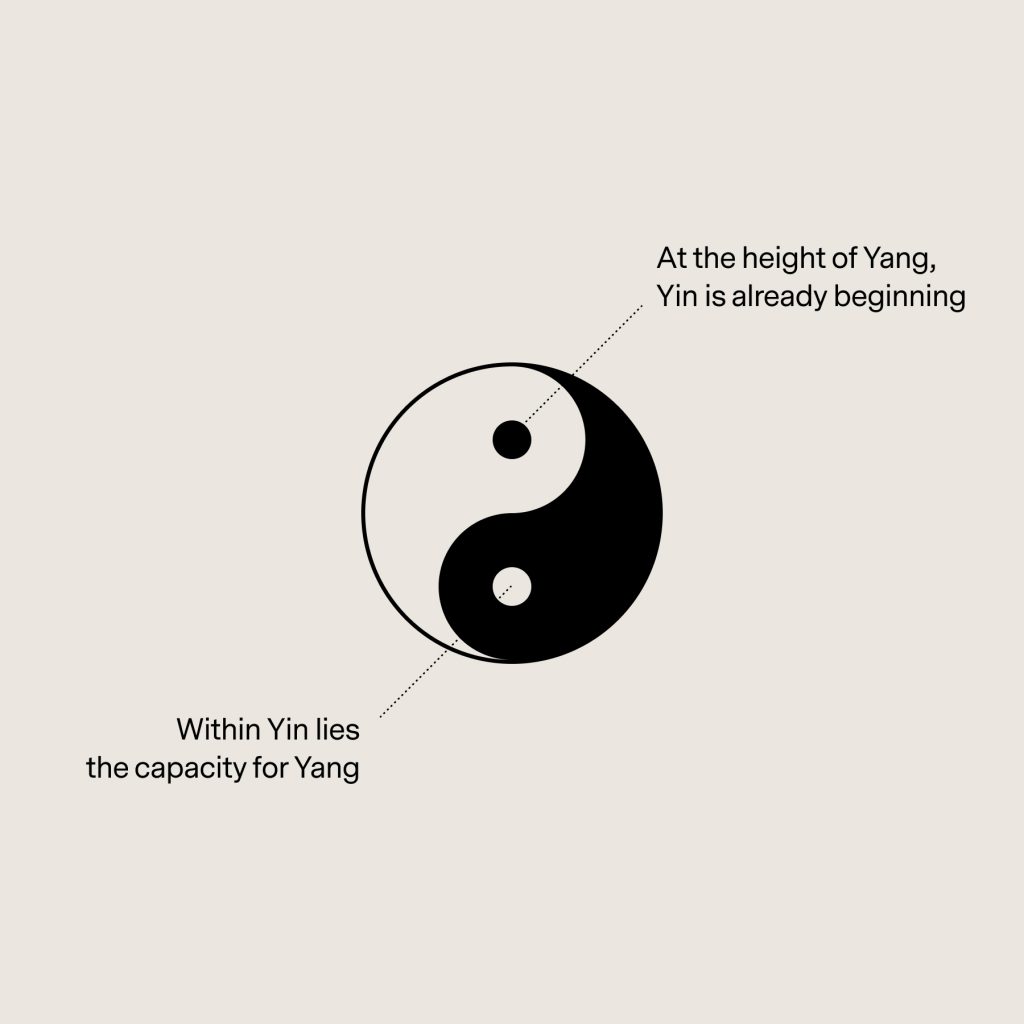
The Yin–Yang symbol has always fascinated me. We often see it simply as a symbol of balance: light and dark, activity and rest. But its meaning is richer. Yin and Yang are not opposing forces. They are complementary states that depend upon and give rise to one another.
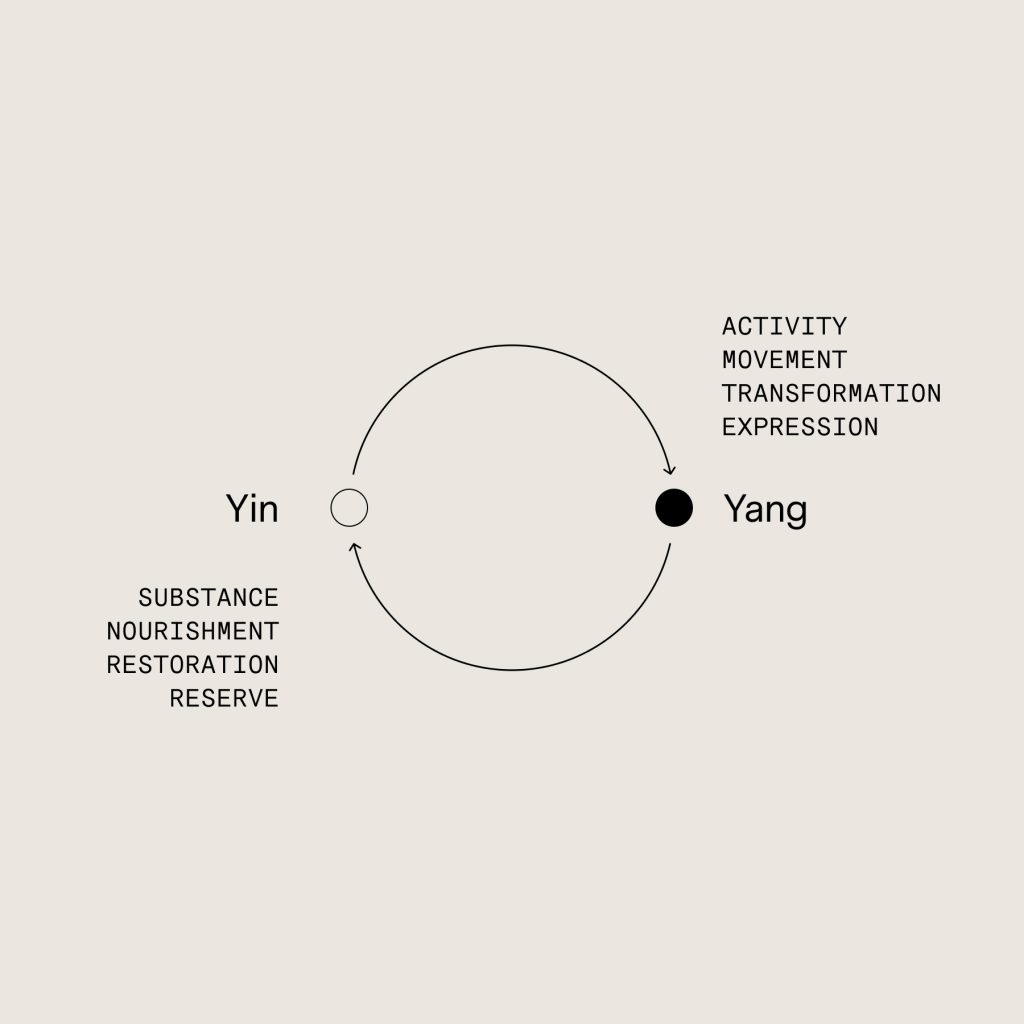
Yin represents, among other things, substance, nourishment, restoration and reserve. Yang represents activity, movement, transformation and expression. Yin provides the capacity for Yang to be expressed. Yang, in turn, creates the stimulus for Yin to be renewed. The more I learn about healthy ageing and regenerative medicine, the more I realise how closely this ancient philosophy relates to our biology.
Our bodies are built around cycles
Consider exercise. Our muscles, nutrients and energy reserves allow us to move and perform. Exercise, in turn, stimulates the body to adapt and grow stronger if we have enough nutrition, sleep and recovery. Capacity allows us to respond to the stimulus. The right stimulus helps us build greater capacity.
The same applies to our nervous system. The sympathetic nervous system raises alertness and helps us respond to the challenges of the day. When we rest and relax, the parasympathetic system takes over to carry out digestion, detox, repair and recovery, restoring the body for the next challenge.
Yet many of us have become so stuck in sympathetic fight-flight-survival mode due to our fast-paced lifestyle that we struggle to switch to parasympathetic rest-relax-recovery mode fully and on-demand. We become tired but restless, constantly doing but never quite recovering. The problem isn’t always a lack of effort. We need to restore that biological flexibility to move between activity or achievements and rest.
Our skin is no different
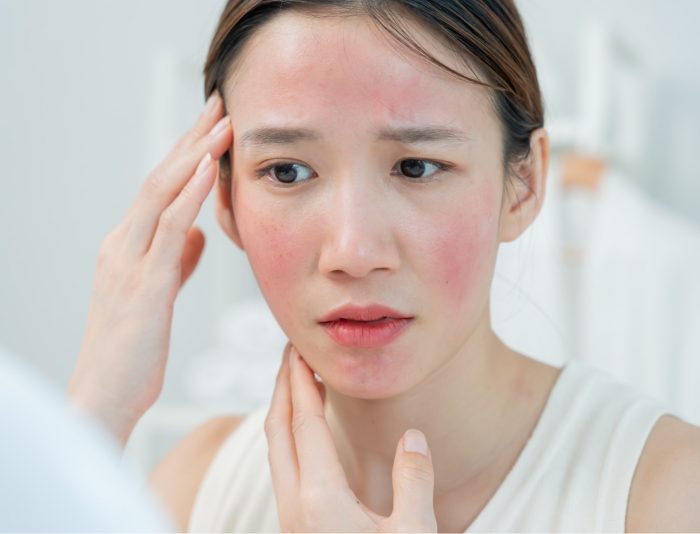
This idea has increasingly influenced how I think about aesthetic medicine. Many regenerative treatments (from lasers, HIFU and microneedling to retinoids) work, by providing a stimulus that encourages skin renewal and repair. But the treatment is only the signal. The skin still needs the capacity to respond: healthy cells, sufficient energy and nutrients, good microcirculation, and a supportive extracellular matrix. Ageing, photodamage and chronic inflammation can gradually reduce that capacity.
So an important question is: How much stimulation can the skin actually support?
More is not necessarily better. The stimulus needs to be strong enough to trigger adaptation, but appropriate for the skin’s condition, with sufficient time and resources for recovery — from repair and collagen production to tissue remodelling. Sometimes, the skin needs a stronger regenerative stimulus. At other times, it needs a gentler treatment, more recovery time, or support for its barrier and hydration through appropriate skincare and treatments such as injectable skinboosters.
And sometimes, the best approach is to do less for a while.
When someone is already exhausted and struggling to recover, adding more intense treatments or more vigorous exercise may simply add to the body’s burden. Better nutrition, restorative sleep and gentle movement may be a better place to start. Where appropriate, interventions that support stress management and relaxation to shift the body into parasympathetic recovery mode can also form part of the plan.
The goal is not to maximise stimulation, but to find the right relationship between capacity and stimulus. Enough Yang to encourage adaptation, with enough Yin to support recovery and rebuilding.
The wisdom of the little dot
And this is why my favourite part of the Yin–Yang symbol may be the smallest.
Within the dark half is a little dot of light. Within the light half is a little dot of darkness.
The little dot reminds us that Yin carries the seed for Yang, and Yang holds the potential to renew Yin.
Nothing in nature (or in our biology) remains in one state forever.
Stimulation ↔ Recovery
Inflammation ↔ Resolution
Breakdown ↔ Rebuilding
Activity ↔ Rest
One gives rise to the other.
Perhaps health, then, isn’t a state of perfect balance.
Health is the capacity to transition.
To rise to a challenge when needed.
To recover when it has passed.
To rebuild after breakdown.
And to return towards equilibrium, again and again.
Focus on health. Beauty will follow.

Hugs,

DR. TAN WANG THENG