You apply sunscreen every day. You reapply sunscreen before lunch. You have adjusted your skincare, booked regular facials, and been careful about heat exposure. For a while, the patches faded. But when you looked in the mirror just now you see them beginning to emerge again.
If this cycle sounds familiar, the problem is not a lack of effort. Melasma is one of the most persistent pigmentation concerns, and Singapore’s climate is a central reason it keeps recurring. Understanding why changes the way you approach it and can be the difference between frustration and a plan that actually holds.
What Melasma Actually Is
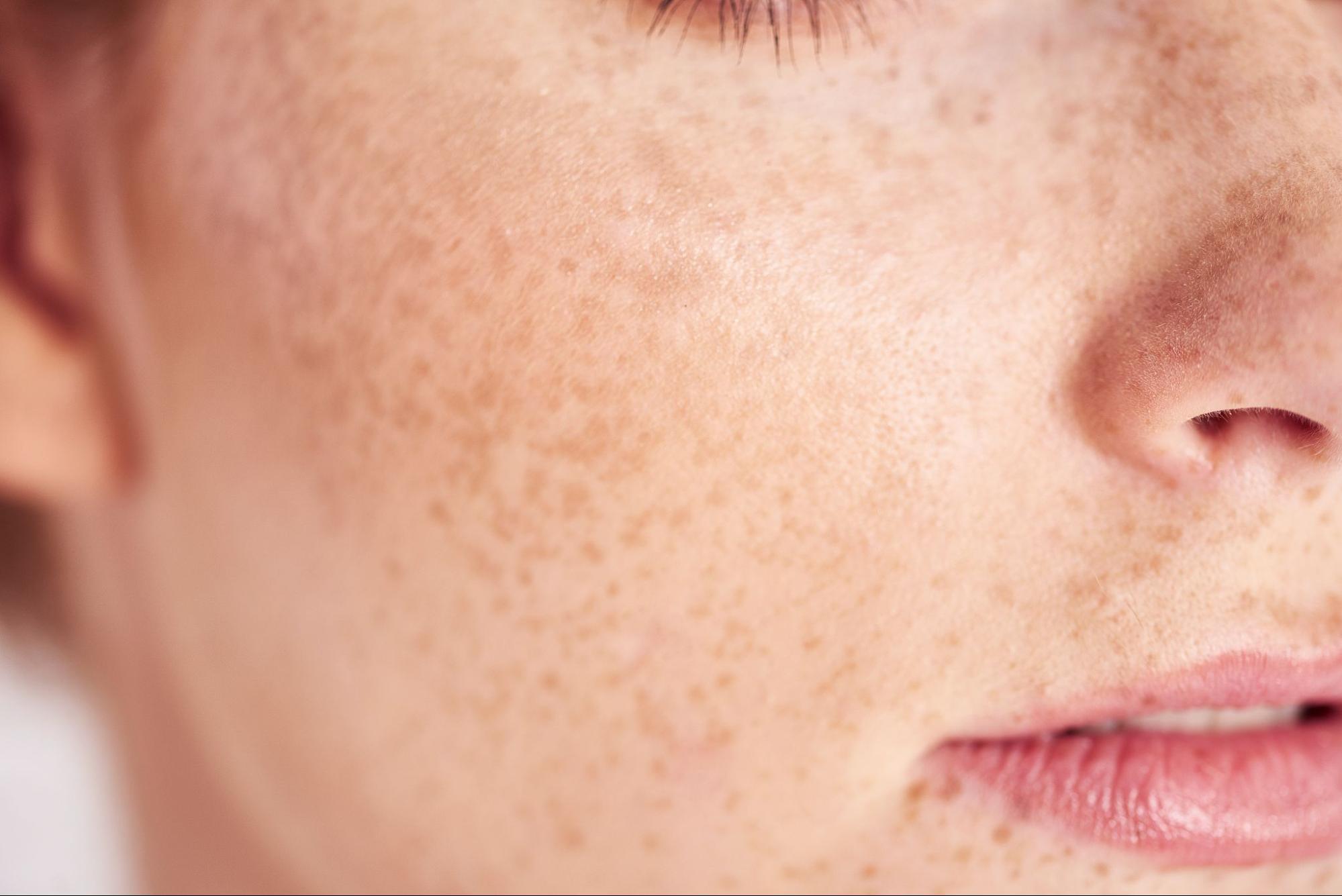
Melasma is a chronic pigmentary disorder characterised by symmetrical, irregular brown to grey-brown patches on sun-exposed areas of the face, most commonly the cheeks, forehead, and upper lip. It is fundamentally different from a sunspot or a post-acne mark, which sit closer to the surface and may respond well to brightening serums, sun protection, or a short course of professional treatment.
This happens because hyperactive melanocytes deposit excess pigment deeper within the skin. These melanocytes are not just temporarily overproducing pigment. They are more reactive by nature, responding more aggressively and more persistently to a wider range of stimuli, from UV and visible light to hormonal fluctuations.
Treatments can affect visible pigment for a while, but since they fail to address underlying melanocyte activity, the pigment returns as soon as it is triggered again.
Why Singapore Is Hard on Melasma
Singapore’s climate may play a role in your melasma. A deeper look into it can help make sense of what you see in the mirror.
- UV exposure stays high throughout the year, including on overcast days, and reaches the skin through car windows, office glass, and reflections off buildings and water. This is why broad-spectrum protection matters here even on days that do not feel particularly sunny.
- Heat on its own can influence melanocyte activity, separate from UV. Given Singapore’s steady, warm climate, this is simply part of the everyday environment for skin here.
- High humidity and sweating can make reapplying sunscreen and keeping to a consistent skincare routine more challenging, especially during prolonged outdoor activity.
- Visible light, including the blue light from screens and indoor lighting, may also play a role in pigment production. Since most of us move between air-conditioned spaces and the outdoors throughout the day, this is simply another piece of the picture, not a cause for concern on its own.
Taken together, this is why melasma tends to ask for a steadier, more consistent rhythm of care in Singapore than it might elsewhere.
The Triggers Most People Miss
Most people associate melasma with sun exposure, and rightly so. But there are a few other factors worth understanding, too, since managing melasma means understanding what drives it, not just what is visible at the skin level.
- Hormonal shifts. Pregnancy, oral contraceptive use, hormone replacement therapy, and perimenopause have all been associated with melasma. There is also some evidence of a relationship between oestrogen, progesterone, and melanocyte activity, and for some women, the onset of melasma appears to coincide with a hormonal change.
- Stress. Some people report that their pigmentation appears more noticeable during stressful periods, with the idea that the skin often reflects what is happening internally. If you notice your melasma shifting during more stressful periods, this connection may be worth exploring with your doctor.
- The treatments themselves. Not every approach suits every skin. Peels, lasers, or exfoliation that are more intense than the skin is ready for can leave it more reactive than before, which is one reason understanding your skin’s condition matters before choosing a treatment plan.
How Melasma Is Treated
Effective melasma treatment tends to rest on a few broad pillars working together, rather than any single solution on its own.
- Daily sun protection is often considered the foundation. For melasma-prone skin in Singapore, this usually means a sunscreen that protects against both UV and visible light, worn indoors and out, and reapplied after time in the sun.
- Medical-grade topical programmes, when prescribed and monitored by a doctor, can help regulate melanin production, support healthier cellular turnover, and calm the skin over time. These are a different category from over-the-counter brightening serums, and they tend to work gradually. Visible change is usually measured in weeks and months, depending on the nature of the skin’s renewal cycle.
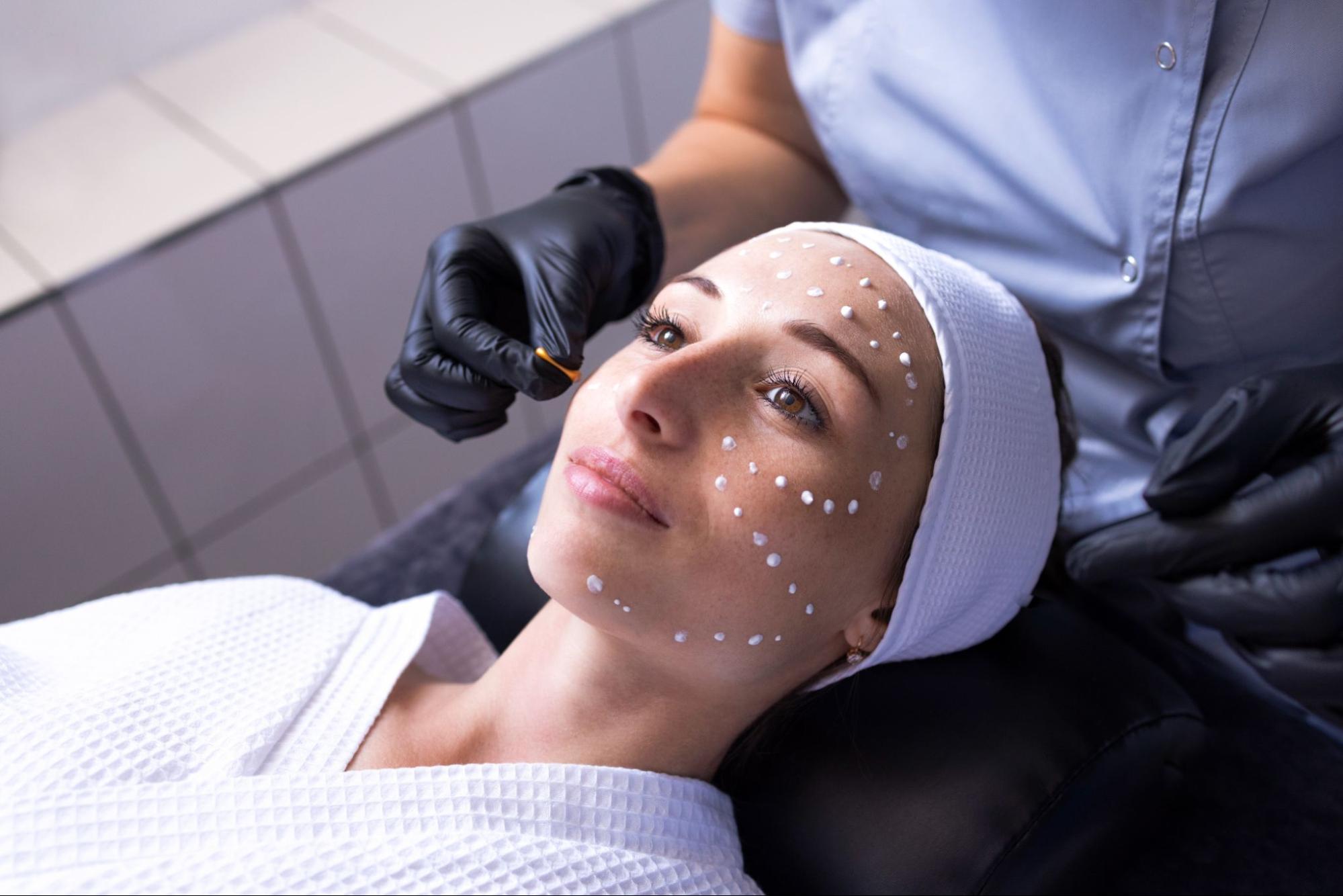
- In-clinic options may include certain laser protocols, used to support the topicals where appropriate. These should only be administered by a qualified doctor following an in-depth diagnosis, and can be adjusted based on your skin’s reaction.
For some patients, addressing internal triggers is equally important. Hormonal imbalances, gut health, and chronic inflammation can all sustain melasma from the inside. At Moyem, we often explore the gut-skin connection as part of a broader plan that focuses on your individual skin concerns.
Why It Returns, and What Realistic Management Looks Like
Melasma is connected to your natural biology, which is part of why it does not usually disappear completely. The melanocytes involved may continue to respond to sun exposure or hormonal changes over time.
Because of this, the goal is not usually a single fix. A melasma treatment plan tends to work best as a rhythm of care. Following a consultation with a medical professional, a plan is built around consistent daily protection, regular check-ins, and adjustments as life changes. Some periods may call for more active management than others.
When managed this way, melasma becomes something you approach with confidence and clarity rather than frustration. Change is often gradual, but tends to be more sustainable over time.
Frequently Asked Questions About Melasma in Singapore
Can melasma be cured?
Melasma is a chronic condition. It can be significantly reduced and well controlled, but it is managed over time rather than permanently eliminated. Depending on individual factors, it is possible to maintain clear skin for long periods.
Does laser work for melasma?
For melasma, certain laser treatments for pigmentation in Singapore can form part of a broader treatment plan. However, laser is not suitable for every case. The wrong settings can worsen pigmentation, which is why melasma treatment should always be supervised by an experienced doctor who can advise based on your individual circumstances.
Why does my melasma seem worse in Singapore?
Year-round UV, heat, humidity, and visible light create near-constant triggers for melanocyte activity, making melasma arguably more persistent here than in temperate climates. Managing melasma in Singapore requires a consistent, multi-layered approach that accounts for all of these environmental factors.
Identify Your Triggers
If you are noticing dark patches and are not sure what is behind them, a consultation with our team at Moyem, a medical aesthetic clinic in Singapore, could be the first step to understanding your skin.

Hugs,

DR. TAN WANG THENG