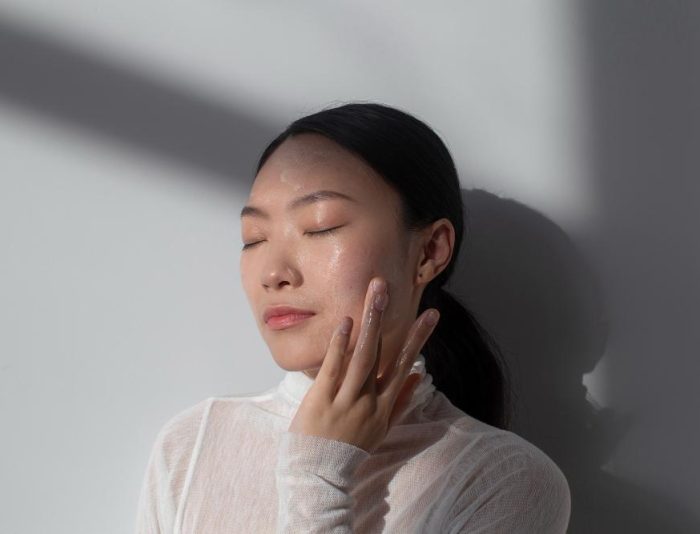
You may have noticed it without ever naming it. A demanding few weeks at work, a stretch of broken sleep, or a worry that will not settle, and then your skin begins to answer back. The change might be a breakout along the jaw, a dullness that no highlighter quite lifts, or a new patch of sensitivity where your skin was calm before.
The timing is rarely a coincidence. Skin and mind are in steady conversation, and that conversation runs in both directions. Learning to read it is the first step towards calming it.
The Science of Stress and Skin
When you’re under pressure, your body releases cortisol, one of its main stress hormones. In the short term, cortisol is useful. It helps you respond to a challenge, then ideally settles once the stress has passed.
The problem is when stress becomes constant and cortisol stays elevated.
Over time, this can affect your skin in three main ways:
- More Oil: Stress can stimulate the sebaceous glands, making skin oilier and more prone to congestion and breakouts.
- More Inflammation: It can amplify inflammatory signals, so existing acne, redness, or sensitivity may flare more easily.
- A Weaker Skin Barrier: Stressed skin can lose water more easily and become less effective at keeping irritants out. The result? Skin that feels drier, tighter, rougher, or suddenly more reactive.
What Does Stressed Skin Look Like
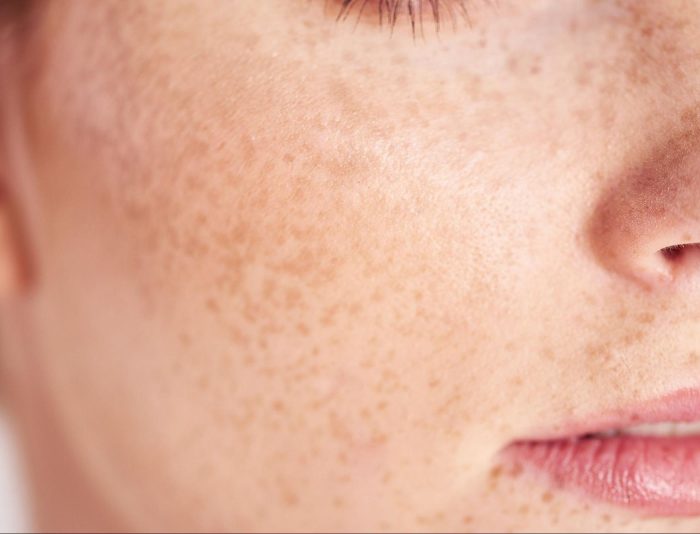
Translated into the mirror, these changes become recognisable. Breakouts appear, often around the jaw and chin, as excess oil meets inflammation, and the complexion can turn dull and tired, missing its usual clarity. These are the signs of stressed-out skin, and they are easier to read once you know them.
Sensitivity tends to rise. Products that once sat comfortably may begin to sting or flush the skin, a sign of that compromised barrier. Minor blemishes and irritations also linger longer than they should, because stress slows how quickly the skin repairs itself.
For anyone already living with a skin condition, the effect can be sharper. If you already live with a condition such as acne, eczema, or rosacea, stressful periods can tip it into a flare. Many people only make the connection between their skin and their stress after years of treating the two as unrelated.
The Loop: When Skin Stress Feeds Mental Stress
Here a line becomes a loop. The relationship between mind and skin is not one-directional.
When your skin flares, you notice. You may feel more self-conscious in meetings, more reluctant to be seen bare-faced, more preoccupied with a face that no longer feels quite like your own. That self-consciousness is its own quiet stressor, and it feeds cortisol back into the system that inflamed the skin in the first place.
Skin and emotional wellbeing, then, are not always separate concerns to be managed in separate rooms. In some cases, they are two ends of the same circuit.
The Scalp and Hair Connection
The scalp is skin too, and it is not exempt. The same stress response that unsettles the face can also disturb the hair. Elevated cortisol interferes with the normal hair growth cycle, pushing more follicles than usual into their resting and shedding phase. Shedding can become noticeable some weeks after a stressful stretch.
It is the same mechanism in a different guise, which is part of why we prefer to see skin, scalp, and hair as one connected picture rather than three separate complaints.
Calming the Loop from Both Ends
Because the loop has two ends, it can be eased from both. On the mind side, anything that lowers the overall stress load helps, from the practices that let cortisol recede to the rest that lets the body recover. Sleep belongs here, not as a luxury but as part of how the skin restores itself.
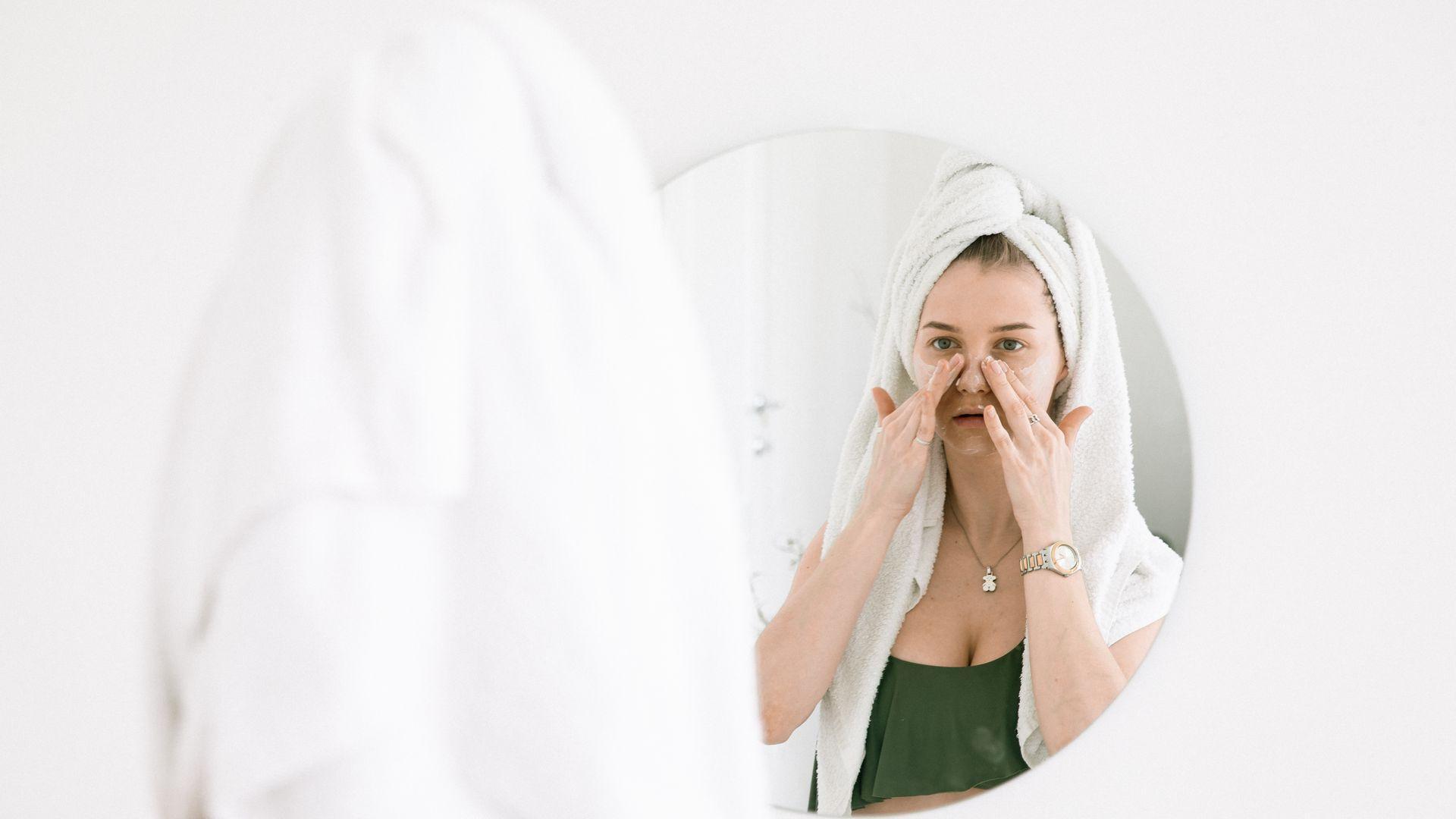
On the skin side, supporting the barrier helps restore some of the resilience that stress erodes. There is no single rule for how to treat stressed skin, because the right response depends on what is driving it. Good skincare for stressed skin leans gentle and consistent rather than aggressive, since harsh intervention can add to the irritation rather than settle it.
What matters most is reading the whole picture. Two people with the same breakout may need very different things, because the stress beneath it, the sleep behind it, and the skin itself are never quite the same. At Moyem, we look beyond the visible concerns and consider factors such as skincare, lifestyle, sleep, and overall wellbeing that may be contributing to how the skin behaves.
Frequently Asked Questions About Stressed Skin
Does stress cause skin problems?
Stress is rarely the only cause, but it is a real contributor. By raising oil production and inflammation and weakening the skin barrier, it can leave the skin more prone to breakouts, sensitivity, and flares of any existing condition.
How long will stress acne last?
There is no fixed timeline, and it differs from person to person. Because stress acne is driven by raised oil and inflammation, it tends to settle as the stress load lifts and the skin recovers, rather than clearing on a set schedule. Breakouts that persist are worth assessing with a medical professional.
Does stress show on your face?
Yes, it can. The most common signs are breakouts, a dull or tired-looking complexion, and skin that feels more sensitive than usual, along with flares of conditions such as acne, eczema, or rosacea. Timing is the clue, as these changes tend to track your more demanding periods.
Treating Skin and Self Together
Stressed skin responds best when it is not treated in isolation. The breakout, the dullness, and the sensitivity are all worth addressing directly, and our facials for acne-prone skin in Singapore are one way to manage a flare. Even so, they respond more fully when the stress, sleep, and internal health behind them are considered at the same time.
If your skin seems to track your most demanding seasons, it may be telling you something worth listening to. You are welcome to explore this with us through a personalised consultation, where we look at the whole picture rather than the surface alone.
If you would like to explore this further, the gut-skin connection is another way to understand how internal balance shapes the skin.


Hugs,

DR. TAN WANG THENG